This text has been extracted from Wikipedia.
Dresden is the capital city of the German state of Saxony, and with around 550,000 inhabitants, the state’s second most populous city after Leipzig. It has a long history as the capital and royal residence for the Electors and Kings of Saxony, who for centuries furnished the city with cultural and artistic splendor, and was once by personal union the family seat of Polish monarchs.
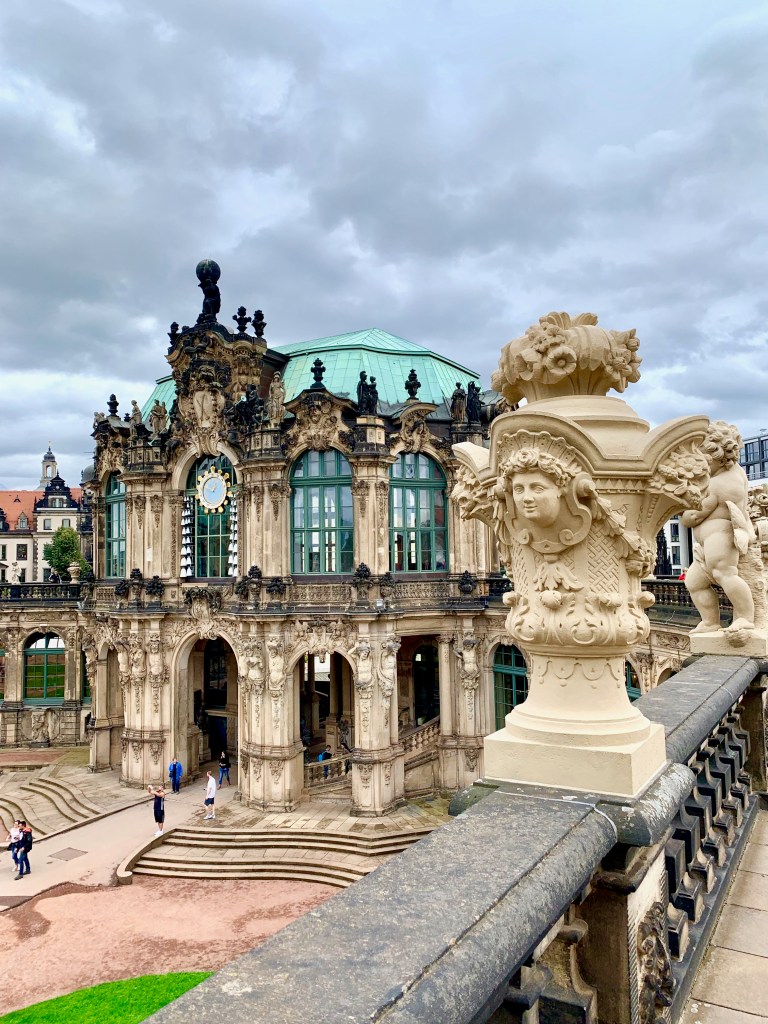
The city was known as the Jewel Box, because of its baroque and rococo city centre. The controversial American and British bombing of Dresden in World War II towards the end of the war killed approximately 25,000 people, many of whom were civilians, and destroyed the entire city centre. After the war restoration work has helped to reconstruct parts of the historic inner city, including the Katholische Hofkirche, the Zwinger and the Semper Oper.
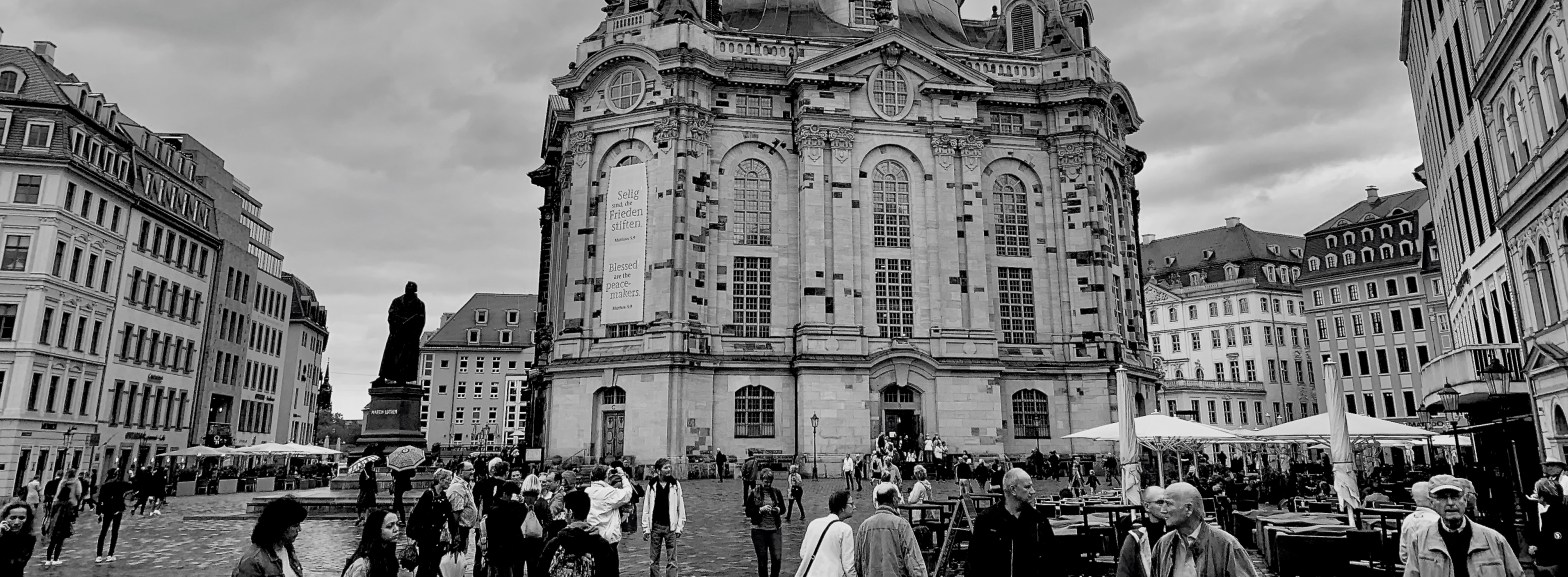
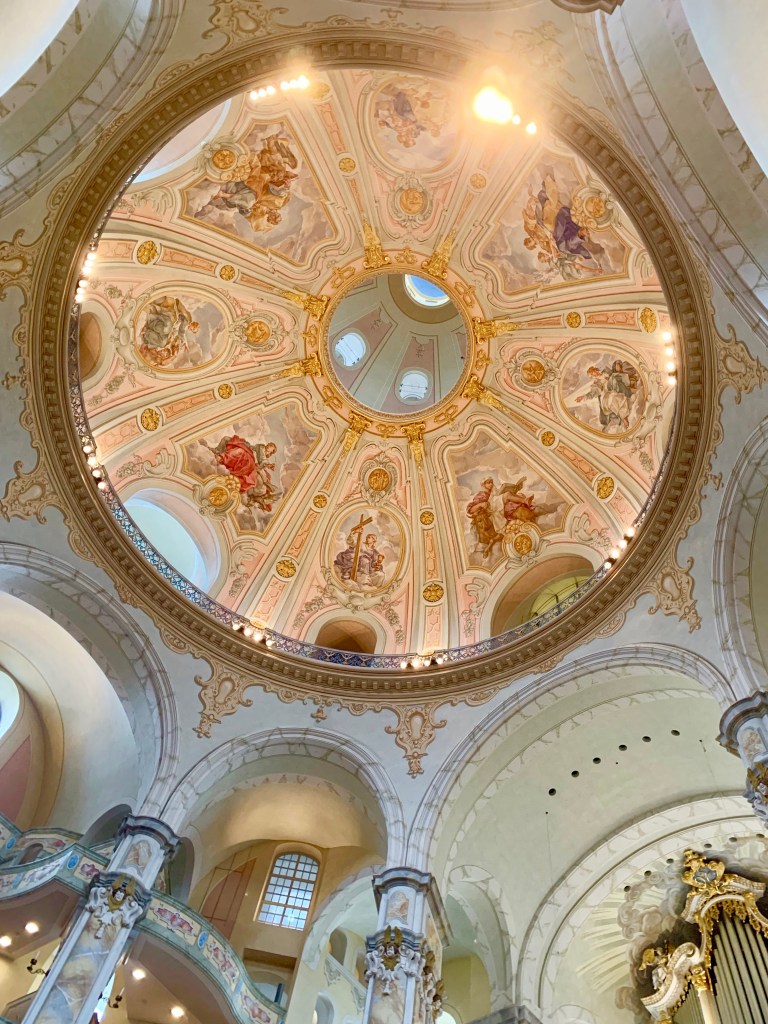
Since German reunification in 1990 Dresden has again become a cultural, educational and political centre of Germany and Europe. The Dresden University of Technology is one of the 10 largest universities in Germany and part of the German Universities Excellence Initiative. The city is also one of the most visited in Germany with 4.3 million overnight stays per year. Main sights are also the nearby National Park of Saxon Switzerland, the Ore Mountains and the countryside around Elbe Valley and Moritzburg Castle. The most prominent building in the city of Dresden is the Frauenkirche. Built in the 18th century, the church was destroyed during World War II. The remaining ruins were left for 50 years as a war memorial, before being rebuilt between 1994 and 2005.

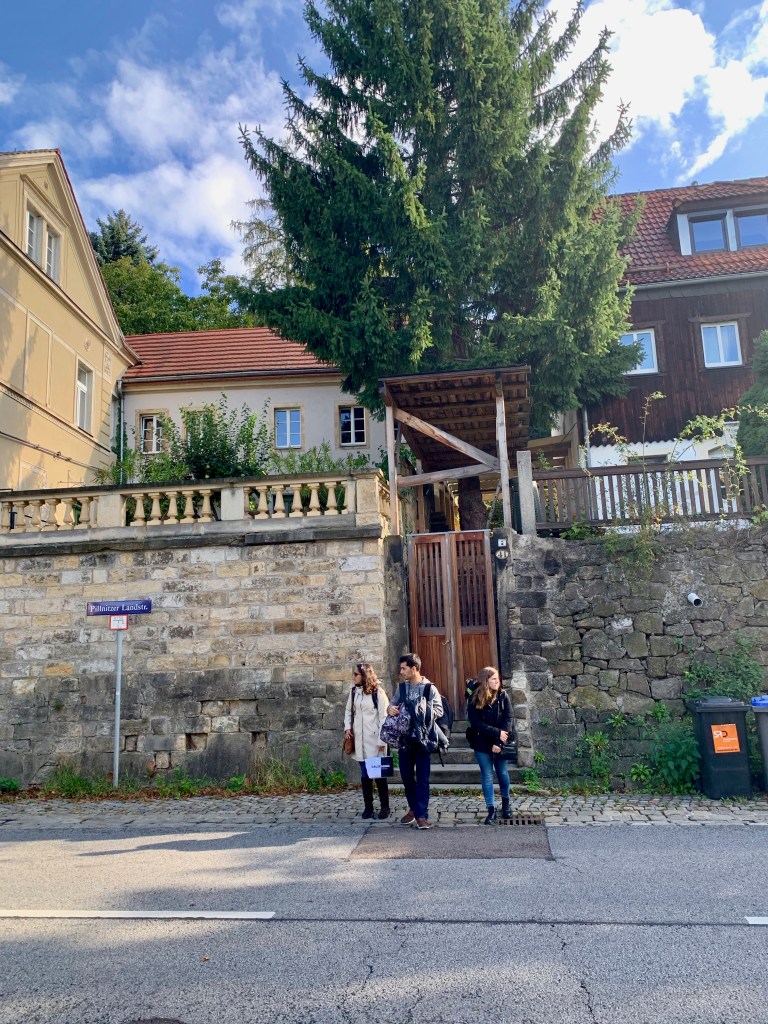
 Hopeless Wanderer